Senescence
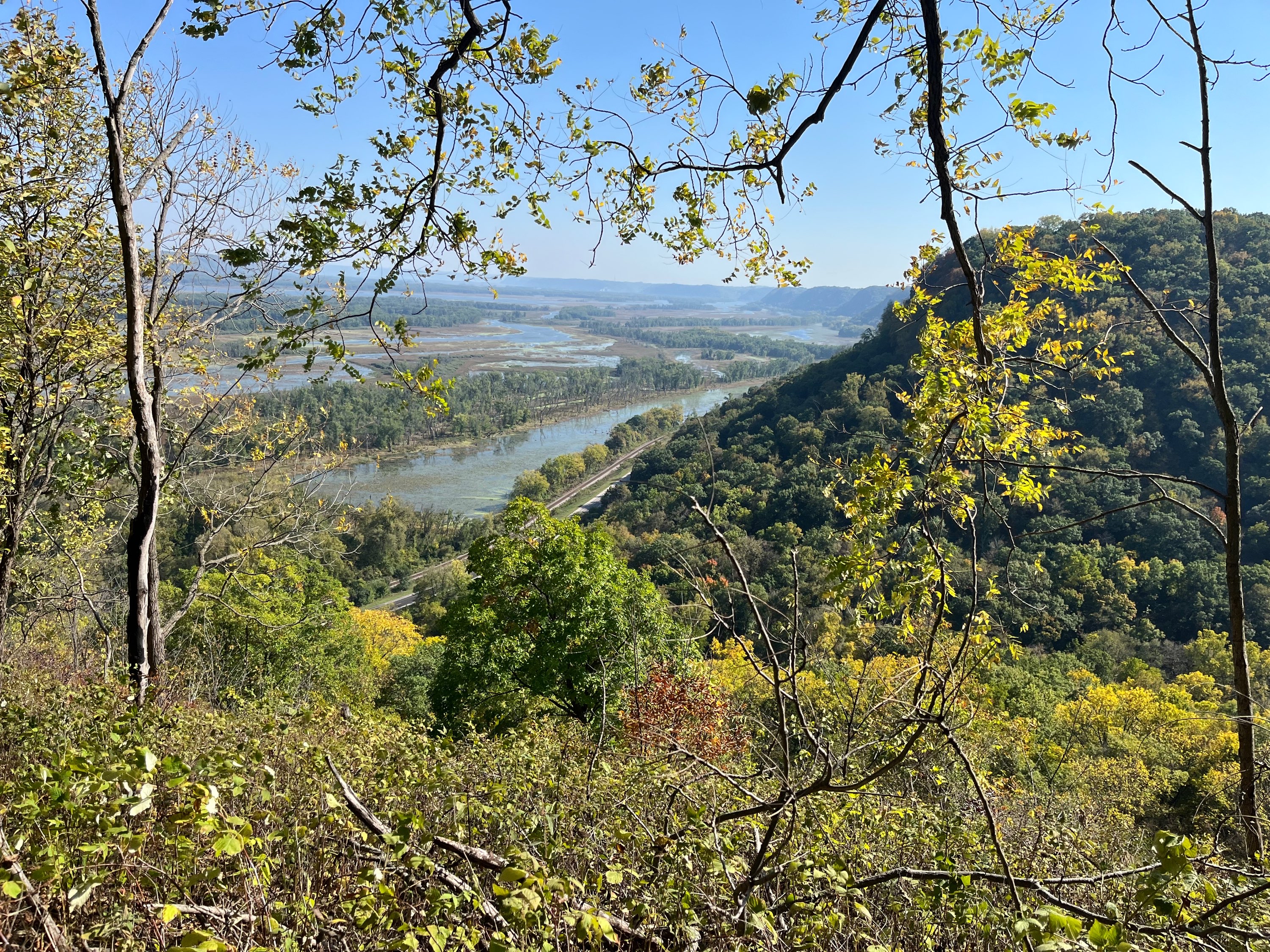

Senescence seemed an appropriate topic to delve into as the leaves begin to change color, so I dug out my old plant physiology text to refresh my memory. I was reminded that senescence is “the processes that accompany aging and that lead to death of an organ or organism”. I was also reminded that college textbooks have a magic ability to induce drowsiness! Although the science is still valid, my textbook is from 1985, so the probability of inducing a nap correlates with “the processes that accompany aging” in my own body! I’ll try to lighten up this discussion of PLANT senescence enough to keep you awake!

In herbaceous annual plants and grasses (like flowers and crops), senescence begins when the plants flower and continues as the plant redirects its energy to the production of seeds. Eventually the leaves die, and the seeds are left to restart the cycle next year. Perennial plants are similar, with energy being redirected to roots, tubers, and other storage organs that will overwinter. Trees are a bit different, since the whole plant does not die every year. But the leaves die, and the sugars and nutrients that were previously in the leaves are conserved over the winter in the twig, stem and root tissues of the tree. Plant growth regulators (like cytokinin, gibberellins, and auxins) are chemicals that signal the plant to keep energy in the leaves for growth or redirect it to other plant parts.

In trees, when the leaves start to senesce, they often change color. Sometimes from green to strikingly beautiful colors. Most of the colors are due to the balance of chlorophyll (green), carotenoids (yellow, orange and brown), and anthocyanins (red). The chemicals, and thus the colors, are there all through the season; as the chlorophyll is broken down, the other colors show up. Different tree species have signature patterns of color change, including timing and color. The sumac shrub is always one of the first brilliant changes that we see in northeast Iowa, with thickets of sumac forming bright red patches of vegetation before they fall off. Right now, I am seeing some yellows in the leaves of the walnuts and basswood. We have not yet had a frost, so the triggers for this are probably day length and leaf diseases. As the season progresses, we will see bright golden, orange, and red patches of maples. The reds, browns and russets we will see on the hillsides later in the season are often the oaks. Iowa DNR maintains a Fall Color Report with updates of the development of color across the State (starting September 30) and information on the common colors of different tree species. Wisconsin and Minnesota DNRs also have fall color pages.

Earlier in the summer, I’ve shared pictures of the verdant green colonies of lotus in the backwaters of the Mississippi River. The lotus is done blooming now, and the energy from all of that chlorophyll-filled photosynthesis has been packed into the seedheads and tubers. The leaves are senescing and fading away.
If you follow my blog, Facebook posts, or Instagram reels, you know that I delight in the patterns, textures, shapes, colors, aromas, and flavors of nature. It is not surprising then that I try to capture the essence of nature in my pottery. Iowisota is stop number 22 on the Northeast Iowa Artist’s Studio Tour on October 9, 10, and 11. That means that we basically have an open house from 10-5 each of those days for people to come see my pottery. We also have our lodging available that weekend for people who want to come to the Driftless Area to enjoy the Studio tour, enjoy fall colors, run the Driftless ½ marathon, or just get away for a weekend.


The Studio Tour is the main Iowisota event for October. We also plan to have a women’s walk in the woods from 2-4 pm on Sunday October 18. And if you look farther ahead on the calendar, we have a fun weekend of “Going Nuts” mini-workshops scheduled for November 6-8th. You can attend one or all of the workshops: Nutcracker Sweet, Acorns!, and Barking up the Right Tree.
Note that I am cutting back my blog post to monthly now. I’m also giving myself permission to make my posts just a little bit longer if needed, so you can skip to the end for just the “newsy” updates if needed! I always welcome feedback on topic suggestions, either for the blog or for events you’d like us to host.


Comments