Dog Days of Summer
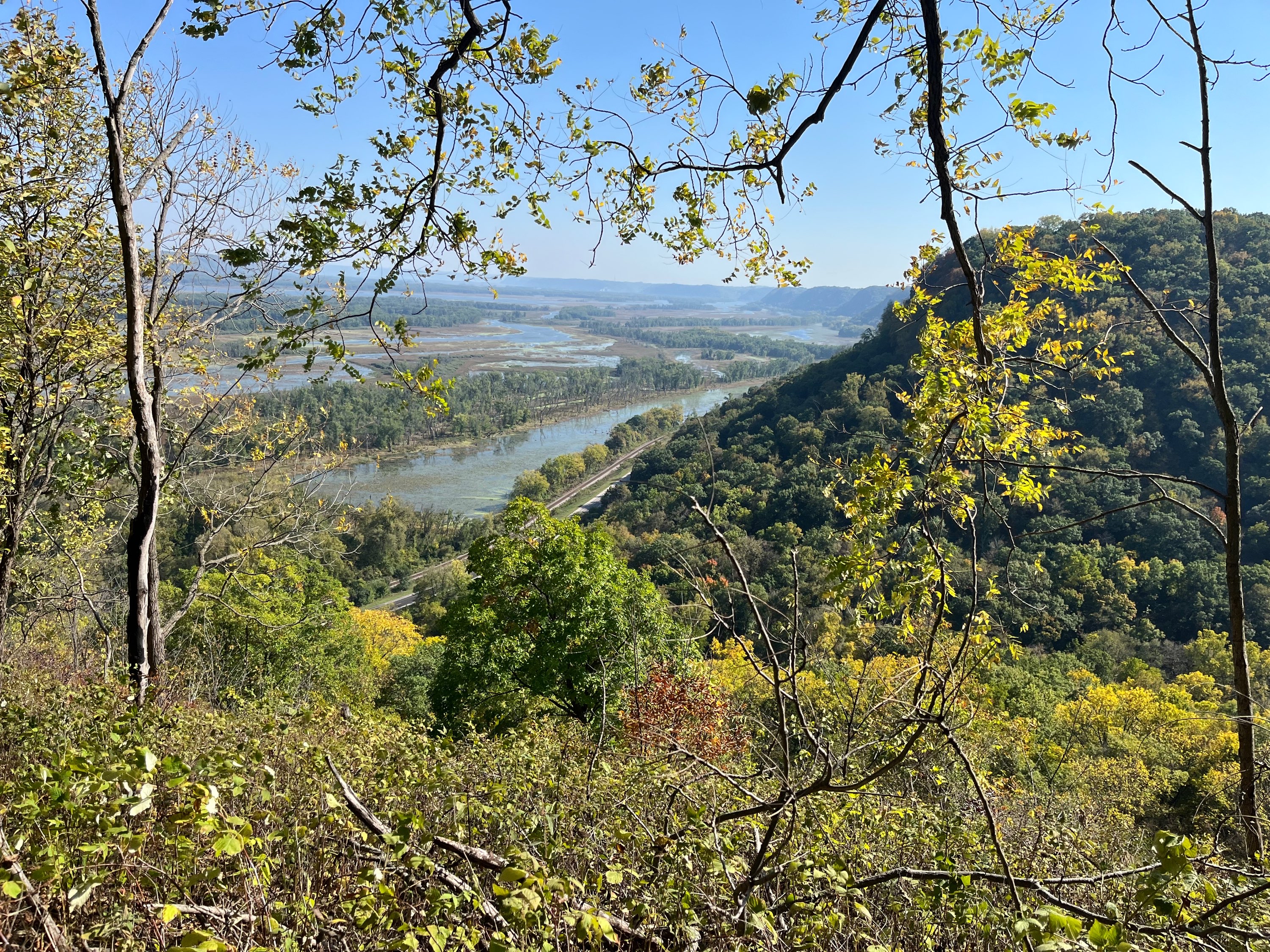

Today as I write, it is a humid 96 degrees outside, one of the quintessential “dog days of summer”. In the far reaches of my memory, a step outdoors takes me back decades to running barefoot through the sprinkler, eating frozen popsicles, and dreading the imminent return to school. The song of the cicadas reminds me that these days will not last for long.

The “Dog Days of Summer” are traditionally the 40 days from July 3 to August 11 when the Dog Star, Sirius, rises and sets with the sun, coinciding with the meteorologically hottest part of summer. Sirius is part of the Canis Major constellation (the Greater Dog), which is most prominent in our northern hemisphere sky in mid to late winter. Sirius is one of the brightest stars in the night sky, but in a Midwestern summer it is mostly seen near the horizon right before dawn.

Perhaps the sound that we often associate with hot summer days is the buzz of the dog day cicada, Neotibicen canicularis. This cicada completes its lifecycle in two to five years, feeding on tree roots underground for most of that time. But some of them emerge every year, molt to adults, and sing. The song of the cicada is made by males vibrating a tymbal membrane on their abdomen, to attract females, so that they can mate and start the cycle over before fall. I heard the first cicadas on July 11 this year, which seemed quite early. Summer is racing by quickly.
The progression of flowers that I’ve seen is also telling me that we are moving into late summer. In the backwaters, the lotus (Nelumbo lutea) blossoms are exquisite right now. They are one of the largest flowers in north America, with a single blossom stretching 6-10 inches across. They are tantalizingly aromatic and beautiful, and the plant provides food at so many stages. What’s not to love about lotus? (Unless of course you are a boater or fisherman and its abundance is clogging your passageway and snagging your lures!) The seed heads of the American Burreed (Sparganium americanum) are so interesting, like spiky clubs. I also saw abundant blossoms of wild mint (Mentha arvensis), swamp milkweed (Asclepias incarnata), and Joe-Pye weed (Eutrochium purpureum). I recently learned that this common name was used to honor Joe Pye, a First Nations tribal leader in the 1800s who probably used the plant medicinally. There truly is medicine in the plants… sometimes just in the action of taking time to appreciate them! I really enjoyed my little romp into the floodplain to take pictures of plants, but I did need to make it short due to the oppressive dog-day heat.

On the upland, I’m also seeing the blossoms of late summer. Right now, the lavender flowers of wild bergamot (Monarda fistulosa) are so abundant they are stretching out towards any open space; they release a minty oregano-like aroma when I brush by them along the trails. Spires of tall bellflower (Campanula americana) punctuate the green vegetation along the trails. The cut-leaf or green coneflowers (Rudbeckia laciniata) are also reaching tall (over 6’ tall in places) and falling into the trails. Yellow is the color of late summer, and I’m also seeing goldenrod (Solidago spp.), woodland sunflower (Helianthus spp.), and brown-eyed Susans (Rudbeckia triloba).

These dog days of summer touch our senses in such strong ways that we all store away deep memories of them. Drink it up… and don’t forget to stay hydrated!
Meanwhile, I have added some events to the Iowisota calendar. I’m still inviting others to join me on a no-cost Women’s Walk in the Woods every month; the next date for that is August 9th. Our August workshop will be an opportunity to make your own custom stoneware charcuterie board on August 30th. Our September workshop will be a foraging walk and wild food feast with guest expert Bo Brown (from Missouri) on Thursday evening September 10th. In October, our main event will be having my pottery studio as a stop on the Northeast Iowa Artist’s Studio Tour on October 9-11 (open house style). We also have a smattering of private retreats and guest stays throughout the rest of the summer, including hosting research scientists and technicians as they collect field data. If you want to check availability for your own private retreat or stay, feel free to email to Linda at Iowisota@gmail.com.


Comments